
A Beginner's Guide to Fancy Food Terms

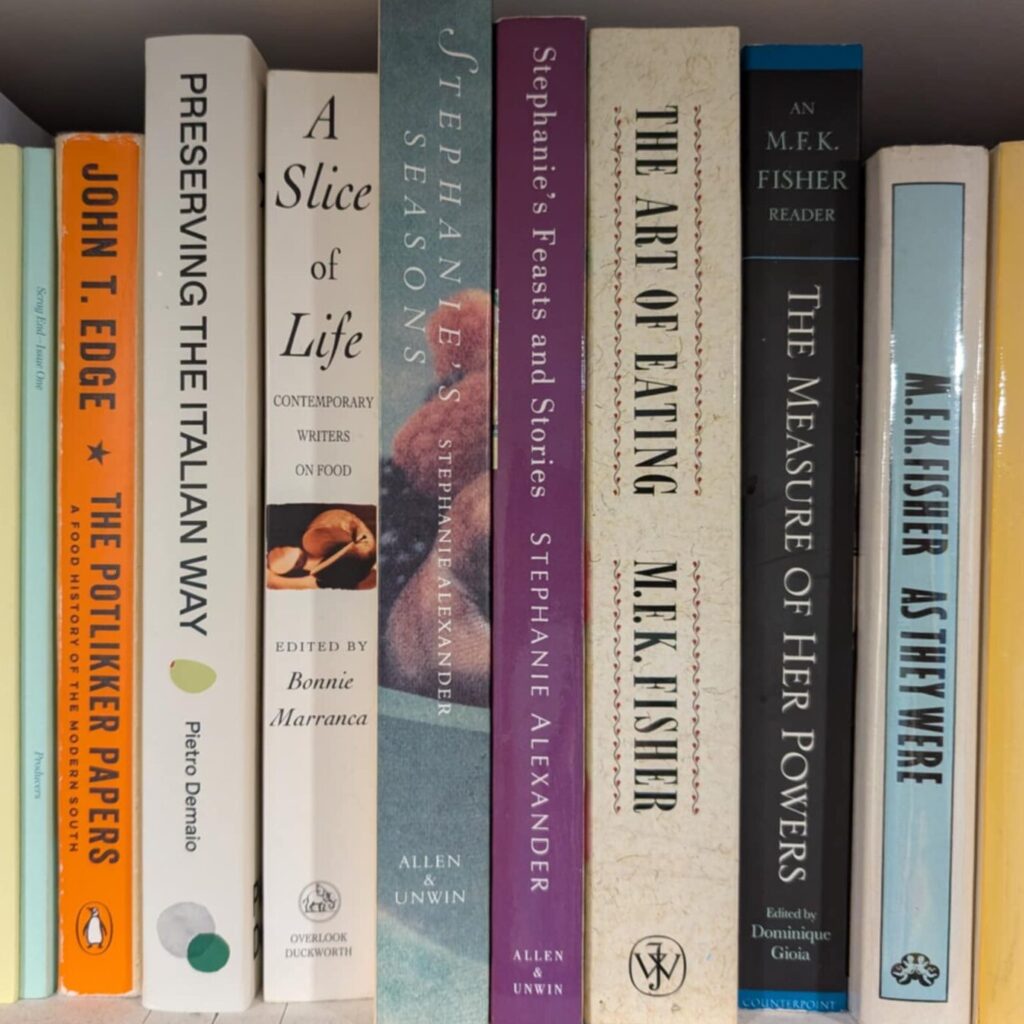
photo of a selection of cookbooks and food writing

I’ve been teaching a friend some basic recipes and it strikes me that very often those in the food and hospitality industries forget that not everyone understands their language. Did you watch The Bear and now you say “Behind!” when in your own kitchen? And have you ever wondered why so many cooking terms sound foreign? Like sautée, roux, or mise en place?

You can thank the French for that! Back in the 17th century, chefs like François Pierre La Varenne started writing down detailed cooking methods, turning kitchen chaos into an art form. Fast forward to the 19th century, and chefs like Auguste Escoffier and Marie-Antoine Carême really locked it in—creating structured systems that shaped how professional kitchens run even today. 

Their influence was so strong that the french language basically became the official language of fine dining. Instead of saying “a mixture of butter and flour used to thicken sauce,” chefs just say “roux”—much tidier, right? As French cuisine spread globally through restaurants, cookbooks, and culinary schools, its lingo went with it. So next time you’re prepping dinner and feel like tossing around a few French terms, go for it—you’re speaking the language of culinary history!

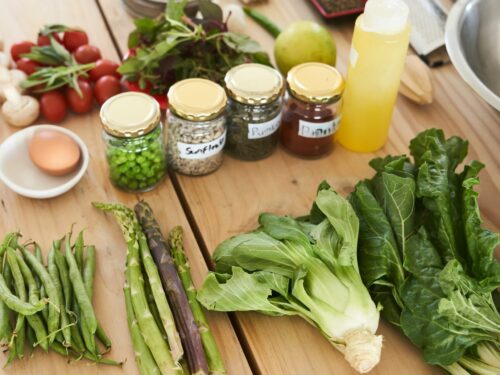
Blanching – Think veggies like beans or asparagus. You boil them for just a minute or two, then plunge them into icy water. Why? It keeps their colour bright, texture snappy, and helps with peeling (hello, tomatoes).

Blind bake – When you bake a pastry base before adding the filling. Use ceramic weights or dried beans to stop it puffing up like a balloon.

Carpaccio – Whisper-thin slices of raw or barely-seared meat, laid out like artwork on a plate.

Cartouche – A paper lid (yes, really) that sits on your stew or sauce to reduce evaporation. Gentle, clever, and very French.

Caramelise – Gently cooking something (like onions) until golden and sweet. It’s low and slow magic.

Charcuterie – The cured meat board you pretend is dinner. Includes things like pâté, terrine, salami… basically meat that’s been preserved with flair.

Confit – Duck legs cooked slowly in their own fat. Originally to preserve them before fridges existed—bonus, it tastes divine.

Crudités – Raw veggie sticks. The classy cousin of chips and dip.

Emulsify – Like turning oil and vinegar into one silky dressing. Science meets salad.

Fond – Those brown bits stuck to your pan? Don’t wash them away! Deglaze with wine or stock to make instant flavour bombs.

photo of a stack of brightly coloured cookbooks

Julienne – Cutting things into matchsticks. Precision cutting = chef points.

Jus – Basically gravy, but thinner, shinier, and more intense. Usually reduced, not thickened.

Mise en place – French for “get your act together.” Have all your ingredients prepped and ready before you start cooking.

Roux – A mix of fat and flour, cooked into a paste to thicken sauces like béchamel. Cook longer for a deeper, nuttier flavour (hello, gumbo!).

Simple syrup – Equal parts sugar and water, heated until dissolved. Essential for cocktails, iced tea, and sweetening things on the sly.

Sterilise – Crucial when preserving. Kill those invisible nasties with boiling water or a hot oven.

Tartar (sauce) – Creamy, tangy mix of mayo, capers, pickles, and herbs. Best friend to fish.

Tartare – Raw minced meat (often beef), seasoned and served with bold extras—think pickles, mustard, raw egg. Fancy, fearless, and full of flavour.

More blogs

From Miso to Marmalade: The  Fridge Staples That Prove Themselves Time and Again

From Miso to Marmalade: The  Fridge Staples That Prove Themselves Time and Again

We live in a small apartment with a very small kitchen, so I run a tight ship. Anything that earns space in there has to punch above its weight. Products have to prove themselves. If they don’t earn their keep, they’re out.
Marmalade Loaf

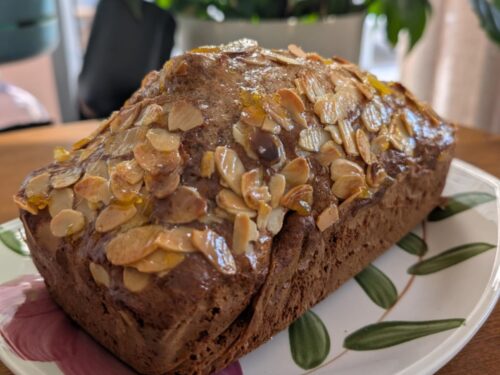
Marmalade Loaf

This is a hug in the shape of a loaf tin, reassuring in only the way an old-school reliable pantry cake can be. I say pantry cake because mostly I have all the ingredients in the pantry, even if that is a set of drawers in my small, city apartment.

Real Food, Real Kitchen, Real People

Real Food, Real Kitchen, Real People

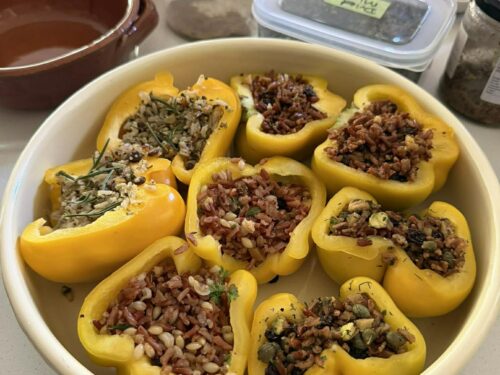
Last weekend I gathered a handful of friends at someone’s house and we cooked together. Not a dinner party where one person does the work and everyone else arrives with a bottle. Not a formal class in a commercial kitchen. Just a group of curious eaters in a real home…

FREE RANGING FOODIE

© Copyright Amanda Kennedy 2025