Maximum Impact Minimum Effort (because future you is hungry)

There’s a particular kind of smug satisfaction that comes from opening the fridge and realising Past You has already done the hard work.

A tray of roasted sweet potatoes. A container of caramelised onions. A snaplock bag of cooked rice waiting patiently in the freezer. It’s not militant meal prep; it’s just cooking with a little foresight.

Here’s how I think about maximum impact for minimum effort in my kitchen.

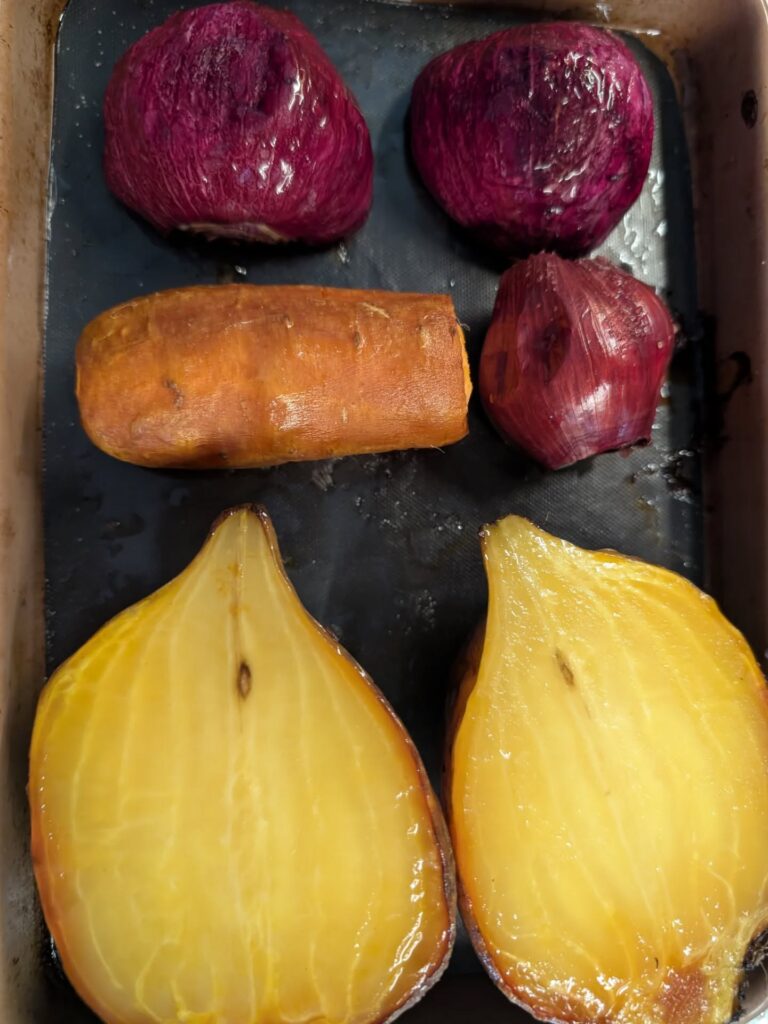
photo of colourful root vegetables on an oven tray
1. Use the Oven Like You Mean It

Any time you turn the oven on, ask yourself: what else can cook while I’m here?

If it’s hot enough for one tray, it’s hot enough for two trays. The only caveat here is to be wary of mixing baking and anything strong in odour.

  • Roast whole sweet potatoes for tomorrow’s salad or mash.

  • Add a few whole onions or beetroot to use later in grain bowls or soups.

  • Roast heads of garlic until soft and golden for spreading, stirring or whisking into dressings.

These extras become the building blocks of meals later in the week. They turn into quick lunches, easy sides, or the starting point for dinner when energy is low.

And if you’re caramelising onions, double them. Proper caramelised onions take time and attention, so always make more than you need. They’ll keep in the fridge for up to five days or freeze beautifully in small portions. A spoonful can transform a tart, a sandwich, a bowl of lentils or scrambled eggs.

2. Batch the Basics

Some foods are simply worth cooking in larger quantities. Grains, rice, dried beans. They all freeze well and reheat easily.

A few simple rules:

  • Cook more than tonight requires.

  • Portion in sizes that suit how you actually eat.

  • Freeze in snaplock bags pressed flat.Flat bags stack neatly and defrost quickly. If you’re in a hurry, place them on a metal tray to speed things up.

You can also throw cooked grains or beans straight into soups and stews from frozen. This isn’t about turning your freezer into a museum of forgotten leftovers. It’s about giving yourself options.

3. Respect the Whole Ingredient

Having a low carbon footprint isn’t just about reusable shopping bags. It’s about using what you buy properly. That last handful of herbs looking tired? Blitz them into compound butter and freeze or chop and cover with olive oil in ice cube trays.

Carrot tops? They make a perfectly good pesto. Banana peels? They can be cake without too much thought and effort. Yes, really! See Cooking with Scraps: Turn Your Peels, Cores, Rinds, and Stems into Delicious Meals by Lindsay-Jean Hard for these and many more ideas.

When you use the entirety of what you purchase you waste less, spend less and cook more creatively.

4. Organise So You Don’t Play Dinner Roulette

Organisation doesn’t have to mean decanted jars and matching labels. It can be much simpler than that. Keep tape and a marker where you will actually use them. In my kitchen, they live in the top drawer next to the cutlery, right by the fridge and freezer. Avoid that moment where every frozen parcel looks vaguely tomato-based and mildly suspicious.

Prep logically too. Instead of peel-cut-peel-cut, try peeling all the onions first then slice or dice in one go. I keep whole onions on the left of the board and move the cut ones to the right with a discard bowl at the top. Use a board big enough to give you space and a knife that suits your hand. Left or right will depend on how you move. The point is to create flow.

Small efficiencies add up.

5. Embrace Smart Shortcuts

Shortcuts are not a moral failure. They are flexible and reliable foundations for a good meal. These are some that are in regular rotation in our house.

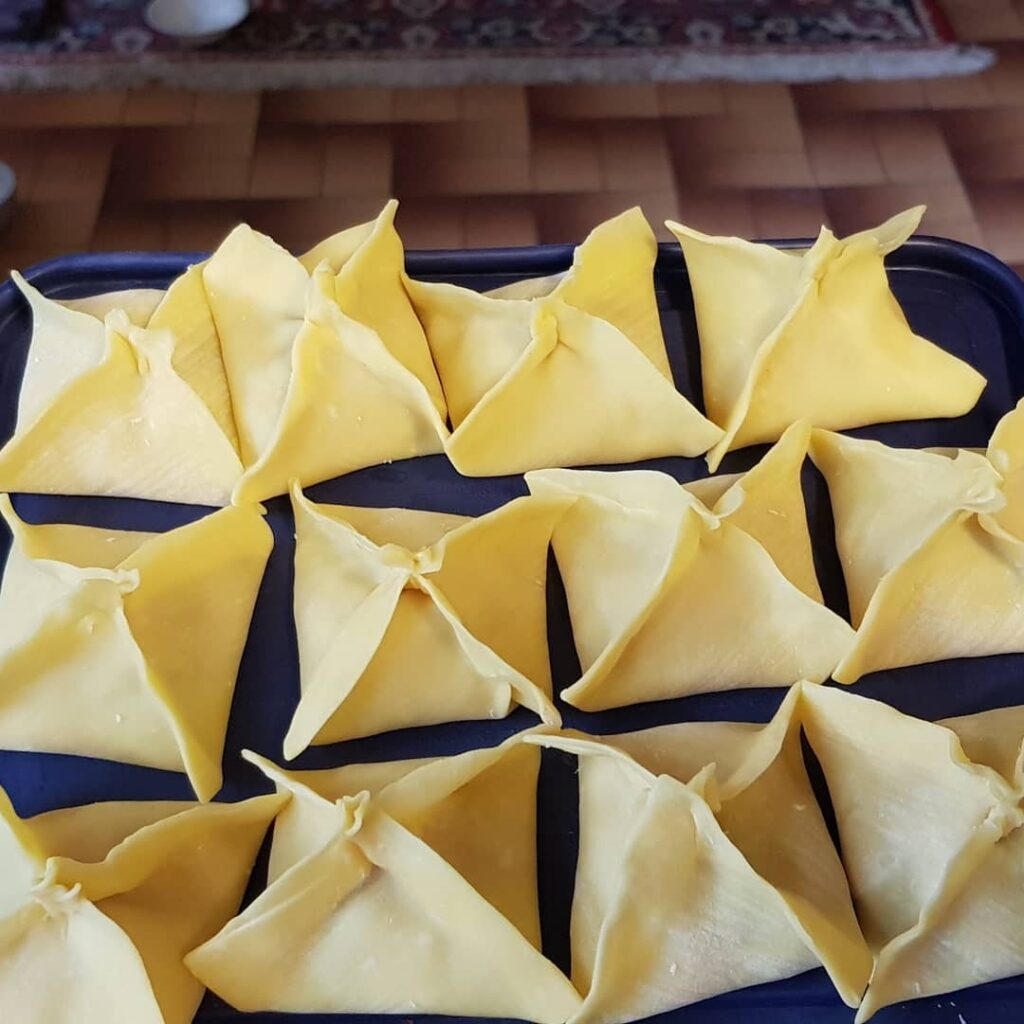
  • Wonton wrappers make excellent stand-ins for fresh pasta. Use them for tortellini or ravioli-style parcels. Just don’t overfill, seal well, and cook briefly.

  • A spoon of chutney/miso/mustard tucked into my sausage roll mix.

  • Packaged stock. I favour sachets with little to no artificial preservatives/additives then adjust the flavour with ginger, herbs, kombu and so on depending on which culinary direction I’m going in that day.

  • Tinned tomatoes, which are often tastier and more cost effective than out-of-season fresh ones.

  • Freezer staples usually include puff pastry, peas, garlic green beans and corn kernels.

6. Simplify the Recipe

Read a recipe through before you start. We all know this but then ask yourself another question. Do you need every single ingredient? If the recipe calls for dried oregano and you don’t have it, are you really going out to buy it midweek? Or will the dish survive without it? Most of the time, it will.

Recipe writers like to believe every flourish matters. And sometimes they do but cooking well is about using your judgement, not slavishly obeying the written word. Substitutions, omissions and additions are all part of a realistic kitchen. The goal is dinner, not perfection.

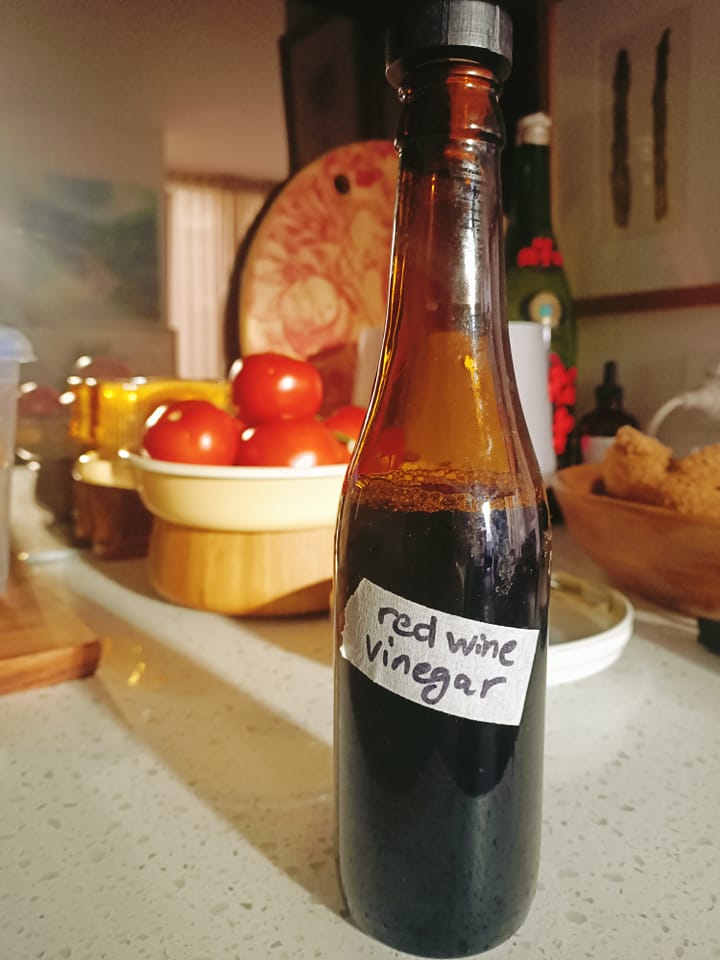
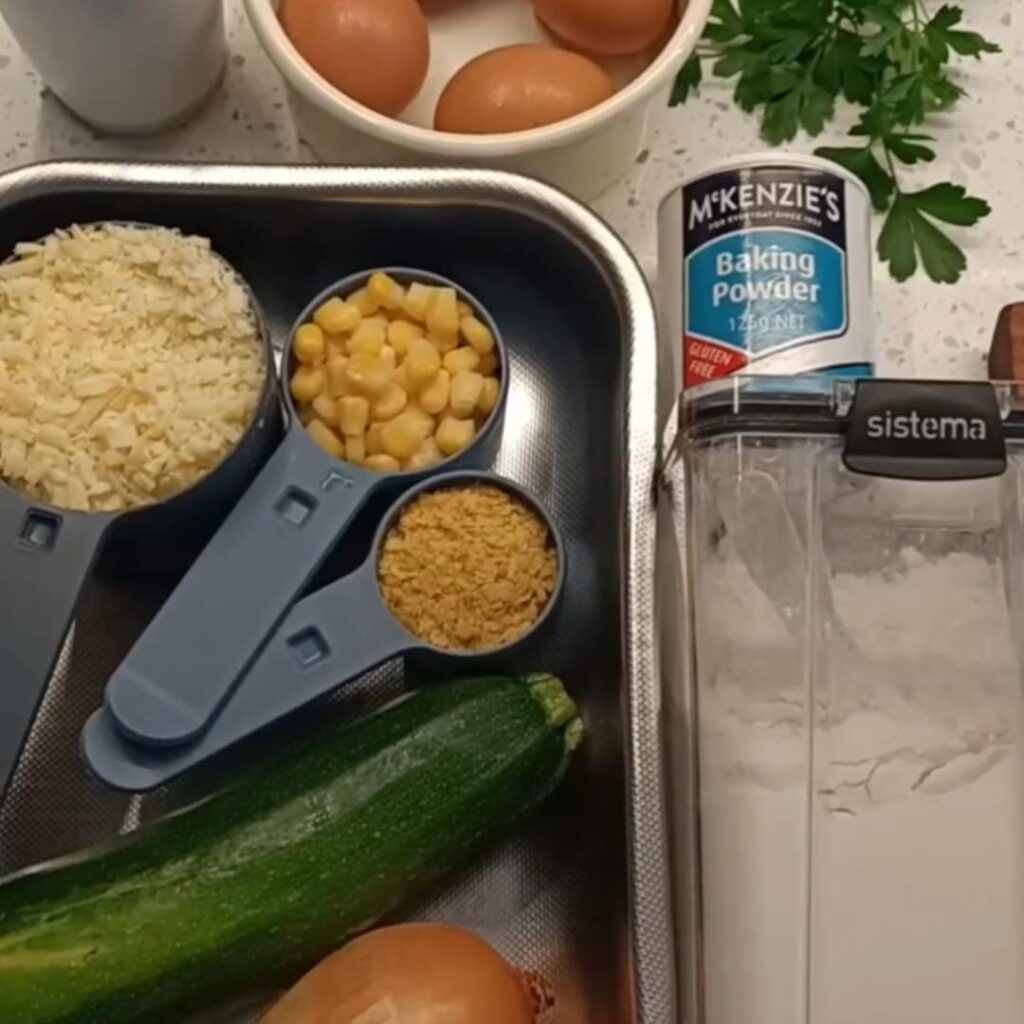
photo of ingredients laid on a bench
The Thread That Connects It All

Cook once and stretch it. Label what you freeze. Roast an extra tray. Keep peas in the freezer. Adjust the recipe to suit your pantry instead of the other way around.

It’s not about being fully optimised. It’s about being kind to Future You, who will arrive home tired and hungry and grateful that something thoughtful is waiting. The fridge doesn’t have to be perfect but it should be on your side.

Maximum Impact Minimum Effort (because future you is hungry)

Maximum Impact Minimum Effort (because future you is hungry)

A tray of roasted sweet potatoes. A container of caramelised onions. A snaplock bag of cooked rice waiting patiently in the freezer. It’s not militant meal prep; it’s just cooking with a little foresight.

Love is in the Air

Love is in the Air

Dishes to Impress, Seduce, and Spoil Your Boo. When I was single, I absolutely employed cooking in my dating arsenal. Food was my love language and, frankly, my best flirting strategy.

Finding Small Joys in Ordinary Days

Finding Small Joys in Ordinary Days

Just existing in the world can be a lot of work these days, navigating the news and daily pressures. Take every chance to find the small joyful moments in life.

FREE RANGING FOODIE

© Copyright Amanda Kennedy 2025