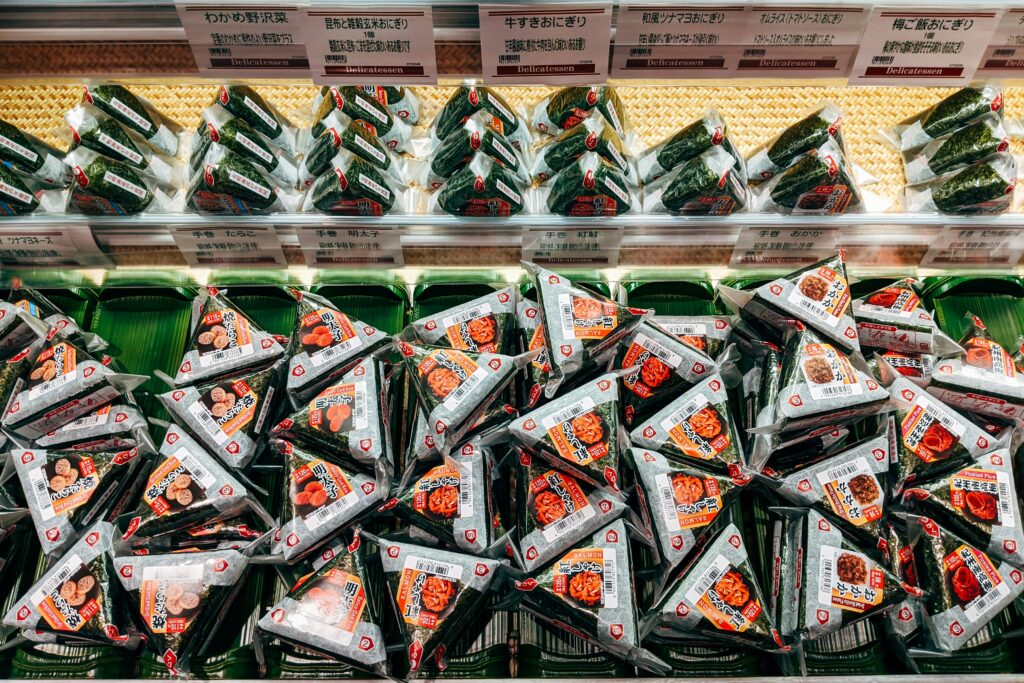
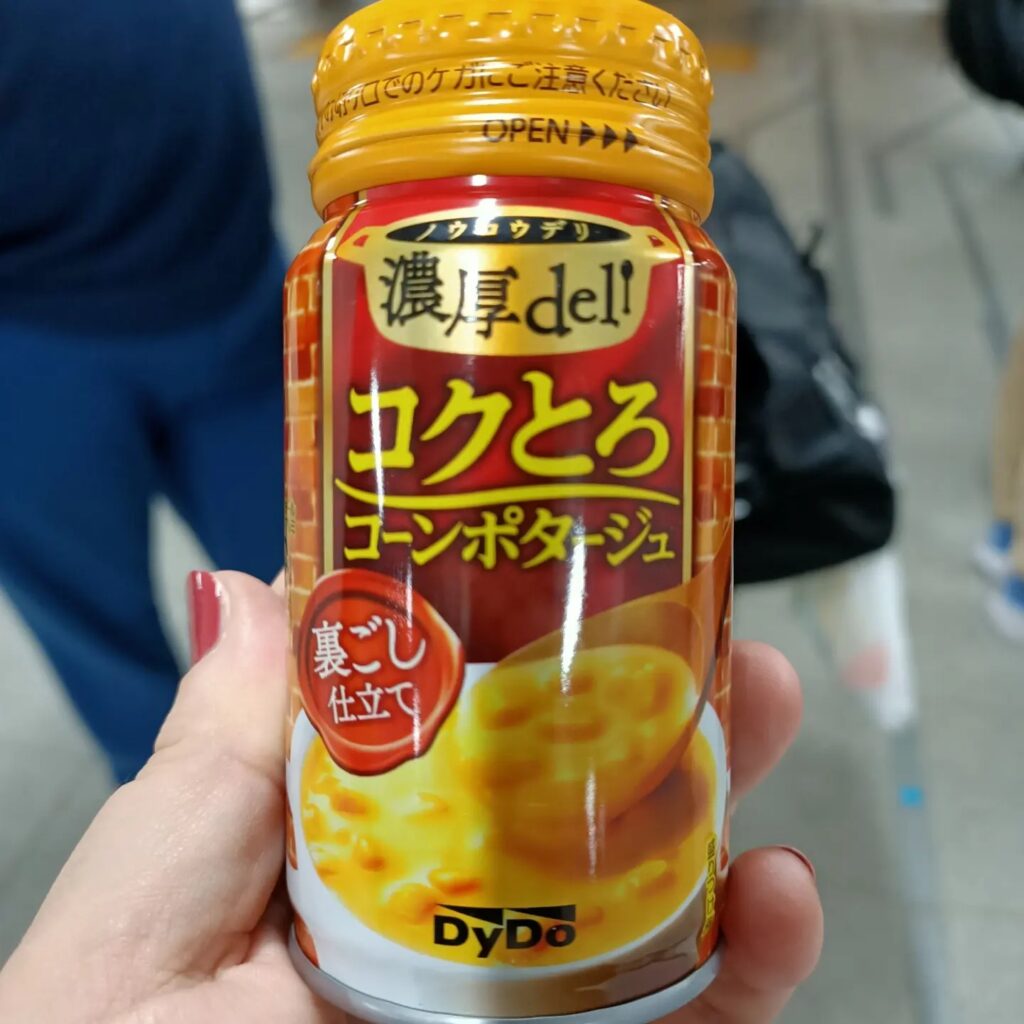
If you’re still going from the night before, a konbini will sell you a clean t-shirt, a charge pack for your phone, cosmetics, deodorant, and breakfast supplies such as onigiri, a quintessential egg sando, tea or coffee in all permutations. If you plan to continue the party, you could opt for beer/shochu/whiskey and an armload of fried treats to keep you fuelled. By the way, I’m waiting for my local convenience stores in Melbourne to now step up their game since a Japanese company is part of the new owners of 7-Eleven in Australia.
I blame konbini for the fact that I now crave onigiri for breakfast. I am determined to learn to make my own filled with all manner of treats like tuna mayonnaise, pickles, fish roe etc. First though, I need to master making the sushi rice – selection of the correct variety, washing, rinsing, soaking, measuring, cooking, resting – and that’s before I even begin forming the onigiri. Many YouTube videos watched and cookbooks read and I’m ready to begin.
I am still very much at the start of my odyssey into Japanese cuisine but these are my thoughts thus far.
I think the backbone of Japanese cuisine as being rice and dashi. I’ve made dashi several times from scratch and have even bought a sachet of instant dashi that I’m going to give a go. I appreciate the aesthetics of a Japanese set. The interplay of colour and texture from a side of pickled vegetables to the small bowl of miso soup/broth as well as something hot and warm and cool. It is never dull on the eye or the palate.
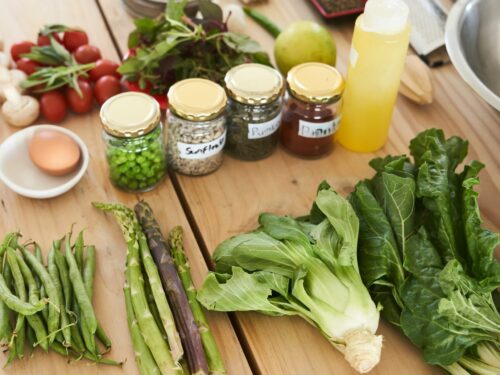
The following are what I consider the necessary pantry staples to get you started on your cooking journey: dashi (can buy instant powder), rice, vegetable pickles, miso, sesame oil, shoyu(soy sauce), mirin, sake, katsuoboshi, nori, furikake, ponzu, panko, noodles (udon, soba etc) dried mushrooms eg. shiitake.
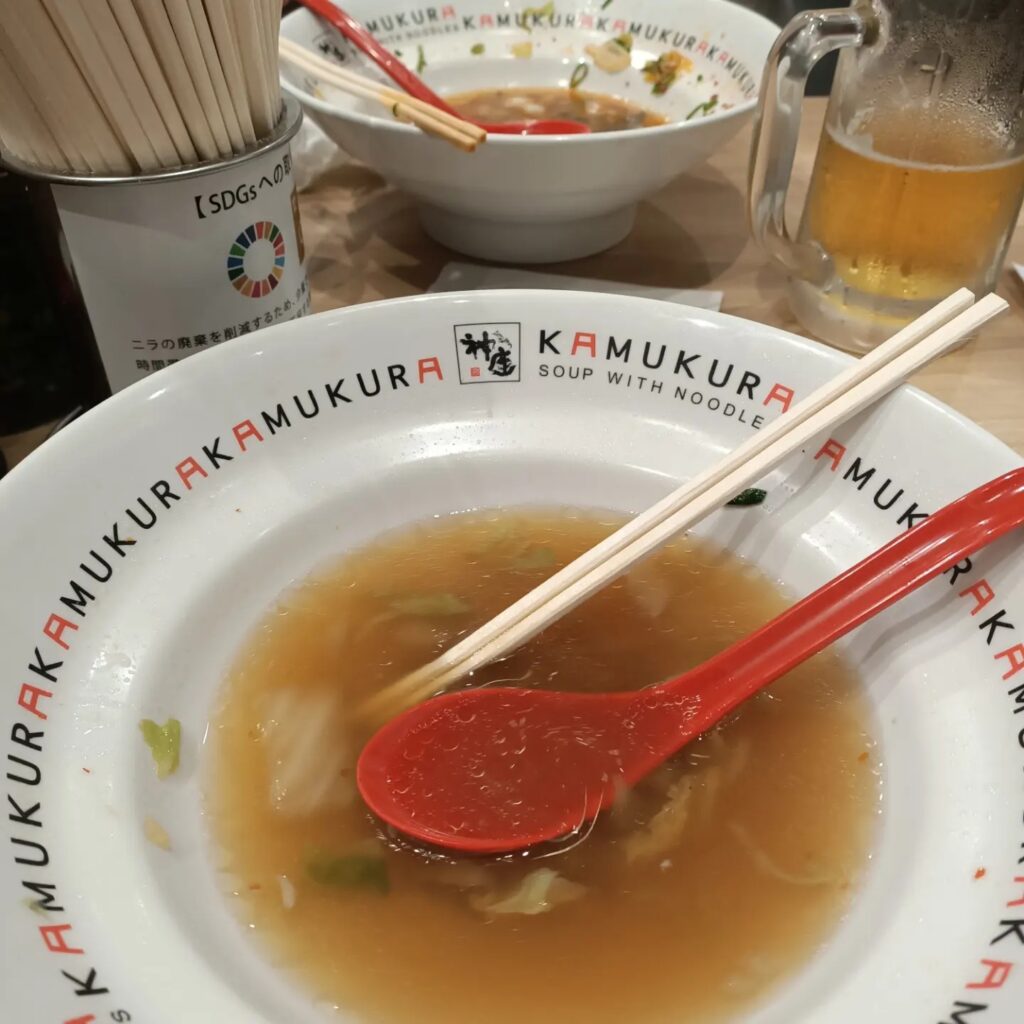
You can begin your Japanese home cooking anywhere but these are a few dishes we enjoy regularly: Japanese curry, gyoza, tonkatsu (breadcrumb fried pork schnitzel-esque), donburi (rice bowls topped with bits), okonomiyaki, and ramen to name a few.
Two good reference books:
Two Asian Kitchens – Adam Liaw
The Gaijin Cookbook – Ivan Orkin & Chris Ying