The Quiet Power of Reducing Food Waste at Home
I’ve incorporated reusable bags, public transport and a reduce/reuse/recycle mindset into daily life, but one area I return to again and again is household food waste.
Last week I shared the Free Ranging Foodie fridge-raid experience. This week, I want to introduce you to the quiet achievers that always have a place in my fridge. We live in a small apartment with a very small kitchen, so I run a tight ship. Anything that earns space in there has to punch above its weight. Ingredients have to prove themselves; if they don’t earn their keep, they’re out.
Here’s the current line-up:
Let’s take them one by one.
Miso is a true workhorse. I keep both a lighter white miso and a darker red/brown one. The flavour and colour depend on the grain or pulse used and the length of fermentation. Soybeans are common, but I’ve made miso myself from split peas and barley, and each batch has its own character.
Miso belongs almost everywhere:
If you’re looking to add one new fridge staple that will prove itself time and time again, miso would be my suggestion.
You can buy them, but they’re also simple to make. Use unwaxed, good-quality lemons (homegrown is ideal). Quarter them, salt generously, and let time do the preserving.
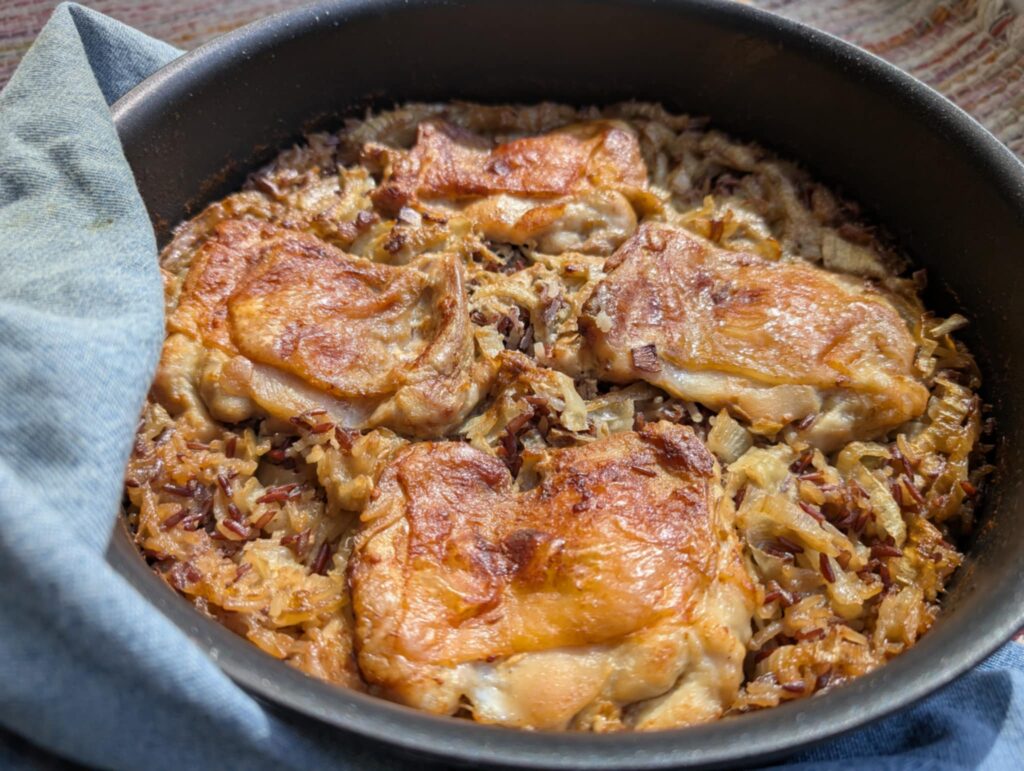
They shine in North African and Middle Eastern cooking but they’re just as welcome stirred through cooked wholegrains or tucked into a roast chicken traybake. When you use them, don’t discard the flesh or the peel; you just need to remove the pips. Dice or purée the whole thing into a salad dressing, or fold it into a compound butter with parsley and dill.
They bring brightness, salt, and depth by the spoonful.
There is always Dijon and wholegrain mustard in my fridge, often hot English mustard too.
Mustard adds heat and sharpness, but it also emulsifies. A small spoonful in a vinaigrette helps bring the oil and vinegar together. I stir Dijon into béchamel to stop it straying into sweet/cloying territory. Mustard works in meatballs, in honey-mustard traybakes, on sandwiches, alongside sausages.
It’s a small addition that changes the entire direction of a dish.
I love sesame oil drizzled over freshly stir-fried or steamed greens, especially green beans. It’s also the finishing touch on many Asian-inspired dishes where I want that nutty, toasty perfume.
It belongs in salad dressings, dipping sauces, or mixed with chilli flakes for a quick drizzle. A little goes a long way.
Good anchovies matter. They don’t have to be the most expensive jar on the shelf, but when you open them you should see fish fillets — not a murky minced pulp (even if you’re going to mash them later). They should taste rounded, savoury, complex and certainly not aggressively salty.
I’ve had excellent anchovies and I’ve had terrible ones. This is a product where you can taste the difference.
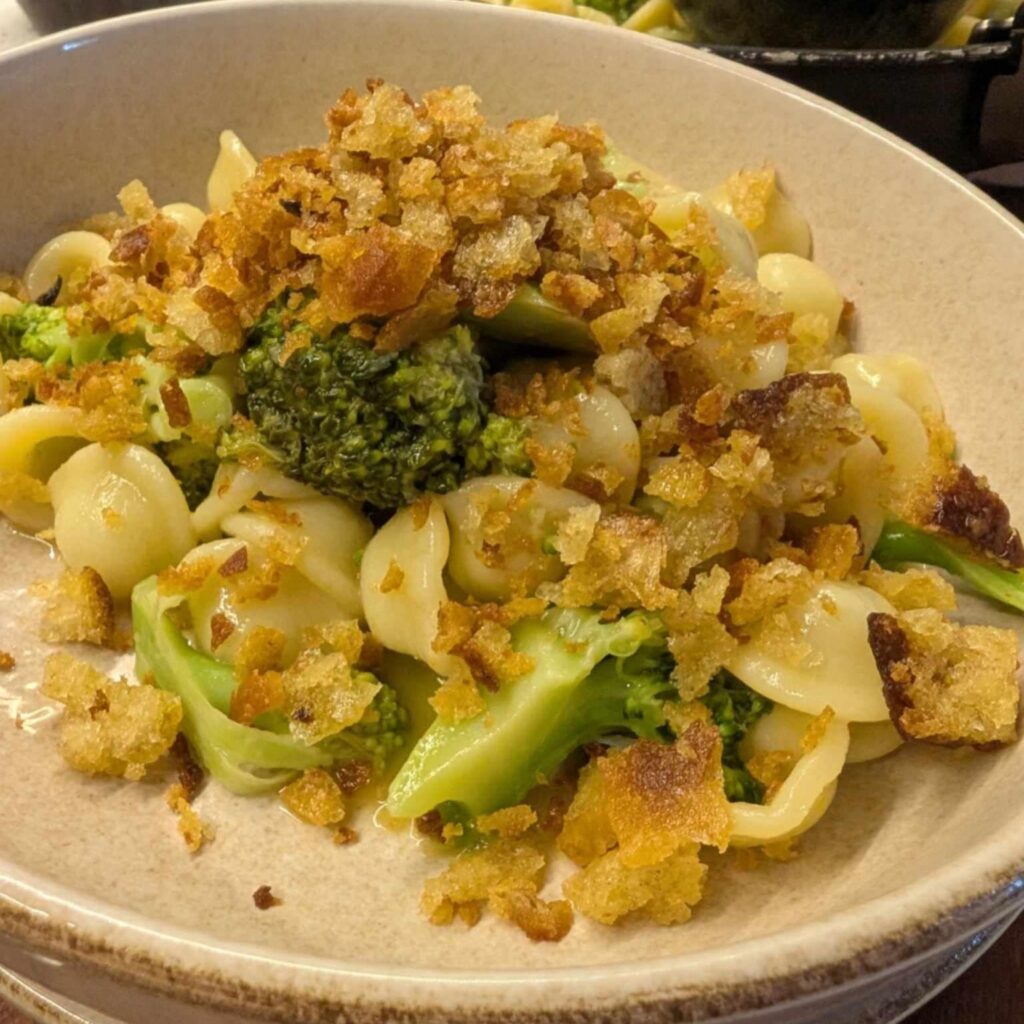
One of my favourite ways to use them is in a simple pasta with a whole head of broccoli and, if you’re into heat, plenty of chilli. The anchovies melt into the oil, dissolving completely. They bring salt, yes, but more importantly umami. The broccoli becomes the star, but the anchovy is the unsung hero holding it up.
When a dish has only a handful of ingredients, each one needs to be good.
There are always at least three or four types of pickles in my fridge.
If I have vegetables lingering (radishes, carrots) I’ll often pickle them rather than waste them.
Pickles cut through richness. They lift charcuterie and Alpine-style cheeses. Capers tossed in a quick brown butter sauce and spooned over fish or vegetables can transform a simple plate.
They’re salty, yes — but more than that, they’re bright. They sharpen everything.
Hoisin is sweetness, soy and a real depth.
Of course it works with stir-fried greens, but I also use it more subtly — brushed lightly over grilled duck, or as a thin lacquer over roasted meat. Sometimes I’ll stir a spoonful into a braise or stew if it needs a gentle sweetness. You don’t taste “hoisin” as such, you just notice the balance.
I rarely buy bottled dressings but roasted sesame dressing is the one exception that easily earns its place.
When I build what we call a grain bowl — rice or farro, roasted vegetables, pickles, perhaps an soft-boiled egg or leftover fish — and it needs something to tie it all together, this is what I reach for.
It doesn’t need improving. It just works.
Mayonnaise is endlessly useful.
One reliable standby: a tin of tuna or salmon mixed with sweet chilli sauce and mayonnaise. Stir with a fork. Done.
And finally butter. Usually salted, because it keeps better and because I use it for almost everything.
If I’ve cooked something in a pan and it needs a little lift, I’ll deglaze with wine, sake, stock, or even water, take it off the heat, and whisk in a few cubes of cold butter. The result is a mounted butter sauce — glossy, emulsified, quietly luxurious (yes, quiet luxury can be that achievable).
If you’re concerned about salt, that’s a personal choice. But in the grand scheme of things, small amounts of good butter are rarely the biggest issue on the plate.
Good butter is life.
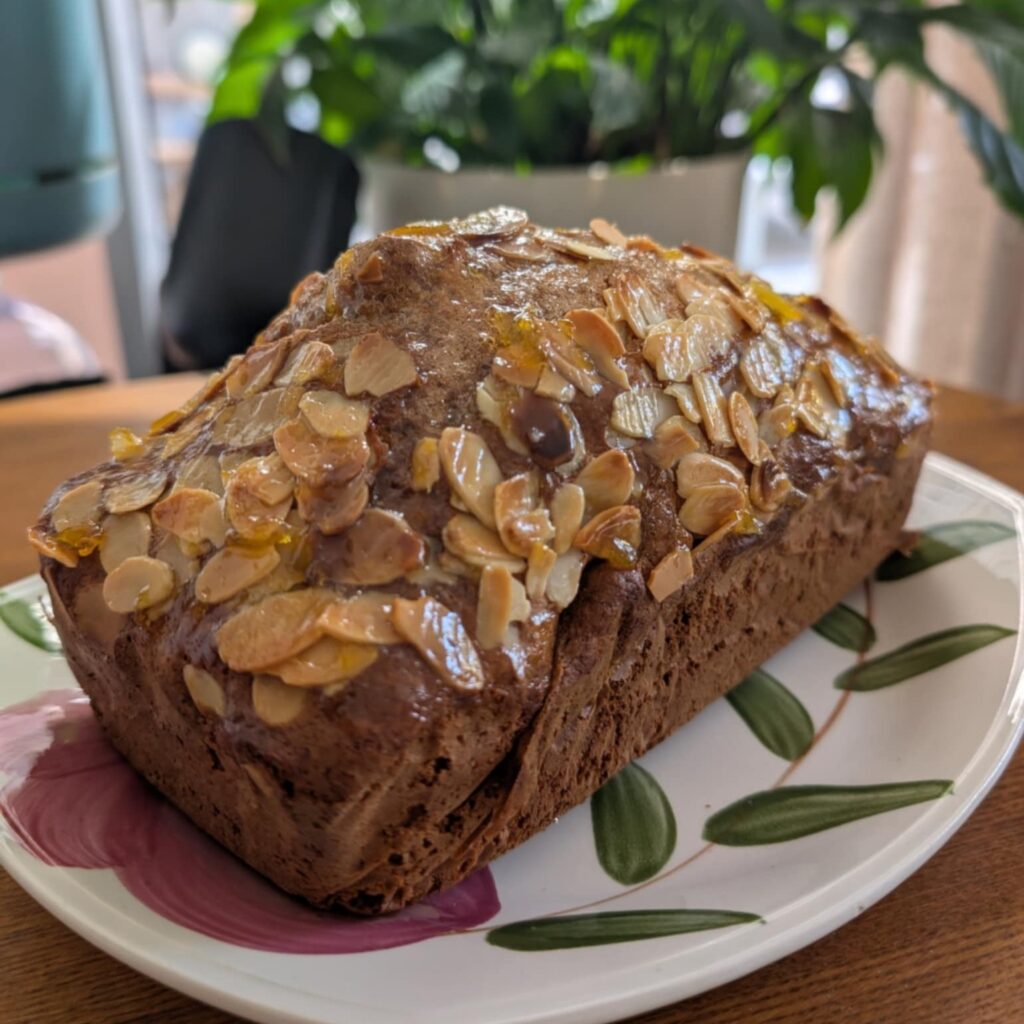
Marmalade is not just for toast. I love its bitterness in baking (see my ever reliable Marmalade Loaf as evidence). It makes a wonderful glaze — especially mixed with hot English mustard and brushed over ham or chicken. You get sweetness, heat, and bitterness all at once. Sometimes I’ll warm and strain it, using the jelly-like part for a glossy finish to freshly baked goods.
It’s complex and bitter and deserves more than breakfast.
* * * * * * * * * * * * * * * * * * * * * * * *
I hope this gives you some inspiration — not necessarily to copy my fridge exactly, but to think about the staples you rely on. The quiet heroes. The ingredients that show up again and again and make you feel like you know what you’re doing.
Perhaps you’ll add one or two to your own fridge with confidence that they are sure to earn their place there.
I’ve incorporated reusable bags, public transport and a reduce/reuse/recycle mindset into daily life, but one area I return to again and again is household food waste.
We live in a small apartment with a very small kitchen, so I run a tight ship. Anything that earns space in there has to punch above its weight. Products have to prove themselves. If they don’t earn their keep, they’re out.
This is a hug in the shape of a loaf tin, reassuring in only the way an old-school reliable pantry cake can be. I say pantry cake because mostly I have all the ingredients in the pantry, even if that is a set of drawers in my small, city apartment.