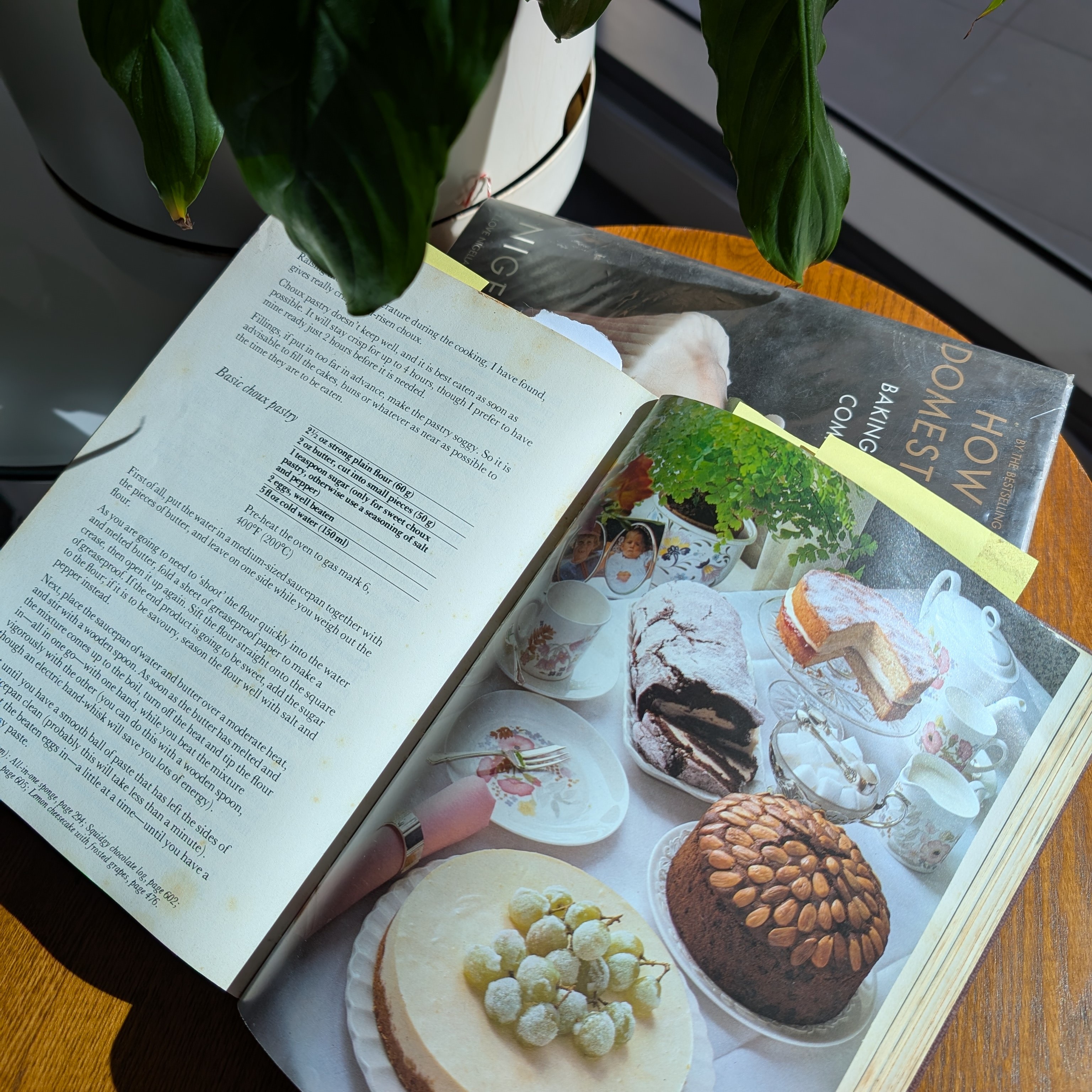
Can you believe it’s been 25 years since How to Be a Domestic Goddess landed on our kitchen benches? Nigella Lawson’s buttery, flour-dusted love letter to baking first came out in 2000 — back when her editor apparently questioned whether anyone even baked anymore. It’s wild to think about now, given we live in a world where The Great British Bake Off has turned meringues and genoise sponges into mainstream entertainment.
At the time, baking was thought of as a bit old-fashioned. Something for birthdays, maybe Christmas, or if you were the sort of person who owned a Kenwood Chef. But Nigella reminded us that baking wasn’t just about being impressive or domestic. It was about pleasure. About stirring, licking, folding, and feeding. About taking joy in the ritual of making something delicious from butter, sugar, and time.
For me, How to Be a Domestic Goddess captured that feeling in every page. I’ve never been a huge baker of sweets (I don’t have much of a sweet tooth, and my partner’s diabetic), but that hasn’t stopped my copy from earning its stripes — the telltale grease splatters, dusting of flour, and the odd brown smudge that marks a well-loved recipe.
When my kids were little, I went through a solid Domestic Goddess phase. Playdates and mothers’ group catch-ups revolved around morning and afternoon tea, and I became known for Baklava Muffins (page 73) or a batch of Granny Boyd’s Biscuits (page 204). Both are still unbeatable.
And Nigella had range. From the humble Store-Cupboard Chocolate-Orange Cake (page 170), which can be whipped up from pantry staples, to the decadent Chocolate Chestnut Cake (page 171), fit for a dinner party showstopper. It’s that signature balance of glamour and practicality that made her a game-changer.
She gave us permission to take risks, to burn a few edges, to eat cake in bed. She didn’t just make baking relevant again; she made it feel like self-care.
Old Books, New Love
That sense of connection through food has been on my mind lately. I recently inherited a small stack of my late mother-in-law’s cookbooks, and going through them has been like opening a time capsule. There’s something wonderfully grounding about those old, no-nonsense books, the ones that assume you know how to cream butter without a photo guide.
My favourite is her well-thumbed copy of Delia Smith’s Complete Cookery Course from 1982. It’s delightfully earnest: black-and-white line drawings, the occasional colour plate, and Delia’s unmistakably bossy-but-kind voice in the introductions. What really gets me, though, are the handwritten notes and the faint smudge of flour on the cover.
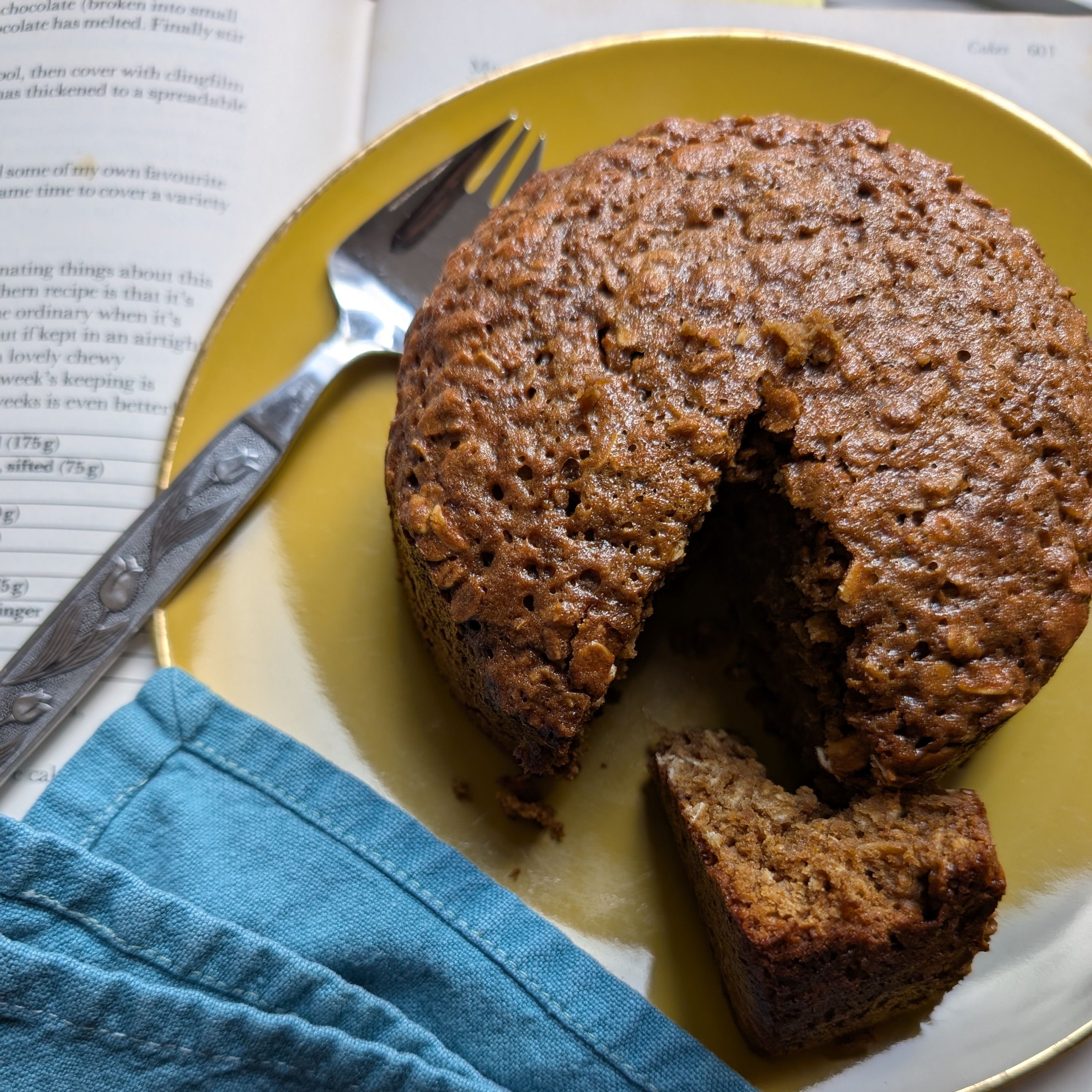
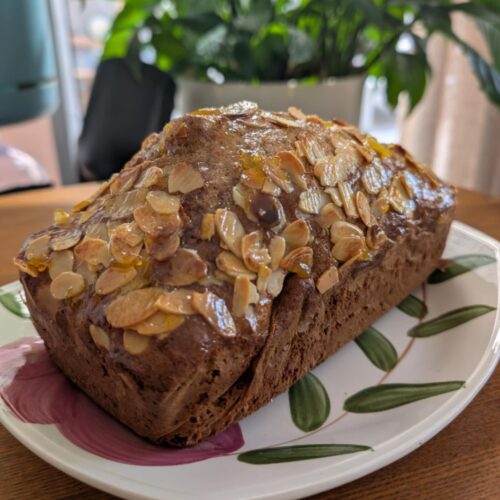
Inspired by Delia and Nigella both, I’ve been revisiting one of Delia’s recipes — Oatmeal Parkin — and giving it a little Free Ranging Foodie treatment. It’s a dark, sticky ginger cake that hails from the north of England, usually made with treacle or molasses and oats. It’s the sort of thing you bake on a rainy Sunday, then smugly enjoy all week as it matures into even more deliciousness.