What a School Canteen Taught Me About Building a Village

Even now, twenty years on, I can see it clearly in my mind’s eye, a couple of small children with their class’s wicker basket between them walking back down the hall to their classroom. Each week, two pupils would be chosen by their teacher to be responsible for collecting and handing out the brown paper bagged lunch orders.

When my children began primary school, certain dietary intolerances started to make themselves apparent. These weren’t life-threatening allergies, but simple food intolerances that affected their enjoyment of life. (I too have learned that my body can only handle so much of certain foodstuffs.)

photo of a metal tin of heart shaped gingerbread biscuits with icing

Not wanting them to feel left out of the rhythm of primary school life, I soon nominated myself to work in the school canteen. Fulfilling these once-a-week lunch orders, for what was then a very small school (fewer than 100 enrolments), was my initial step into taking some responsibility for my children’s wider education.

Our school had a unique make-up: three different educational streams—mainstream, Steiner, and classrooms with pupils from a local special developmental school. Each had its own curriculum though they all shared the same timetable and school-wide activities. While a fair segment of the student body travelled to the school for its unique program, the larger portion lived locally, in a lower than average socio-economic suburban belt. It was this reality that drove me to make sure the canteen reflected the economic conditions of where we were.

Without any paid staff and only a handful of volunteers, I kept the offering tight. Sandwiches and sausage rolls were outsourced to a local bakery, and on-site I baked fruit muffins and popped popcorn for recess snacks. To make sure there was something my dairy-intolerant eldest could eat, I also offered jaffles made on light rye bread with dairy-free margarine. There were two fillings available: mashed banana or baked beans.

Importantly, I also made sure a plate of fresh fruit and vegetables was delivered to each classroom to share for morning tea. In fact, any child who came to the canteen window without money but was hungry was offered fresh fruit and vegetable pieces.

Before long, I found myself on the school council. I pushed for guidelines to be introduced implementing a ‘naked lunch’ policy—essentially, this means no individually plastic-wrapped items in lunch boxes. I still have to laugh about the one time a mum was caught handing her child a fast-food lunch over the school’s back fence. Not quite the idea we were trying to encourage, anyhoo.

The school had already embraced a strong sustainability program, with water tanks, solar panels, and a permaculture garden complete with compost. The naked lunch policy felt like a natural extension of this approach.

Writing this piece, I found myself wondering what the school is like now so I looked them up. They still have a Steiner influence in their approach to education as a whole. The welcome picnic I began—simply as a way for students and their families to get to know the school and each other—has since flourished into a welcome festival. Once, it was just an idea: BYO picnic dinner and a rug. Now it’s a permanent fixture on the school calendar and honestly, I’m thrilled.

People often say they want a village, but they’re not always ready to become an active participant in one. It’s easy to like the idea of attending events, less so to host them. Being part of a community requires involvement—give and take, sharing, planning, and, importantly, not just talking the talk but actually walking the walk. I understand that feeling; I don’t always have the energy for it either.

At different times in my life, I’ve taken on more active roles. I can’t see myself joining another school council anytime soon, but I do like the idea of making small inroads into my wider community, in ways that fit. Making connections with like-minded people who then bring along those who think differently. Conversations happen. Ideas are exchanged. And who knows what might grow from that.

I don’t need big revolutions. Incremental steps forward can be just as powerful and maybe even more enduring.

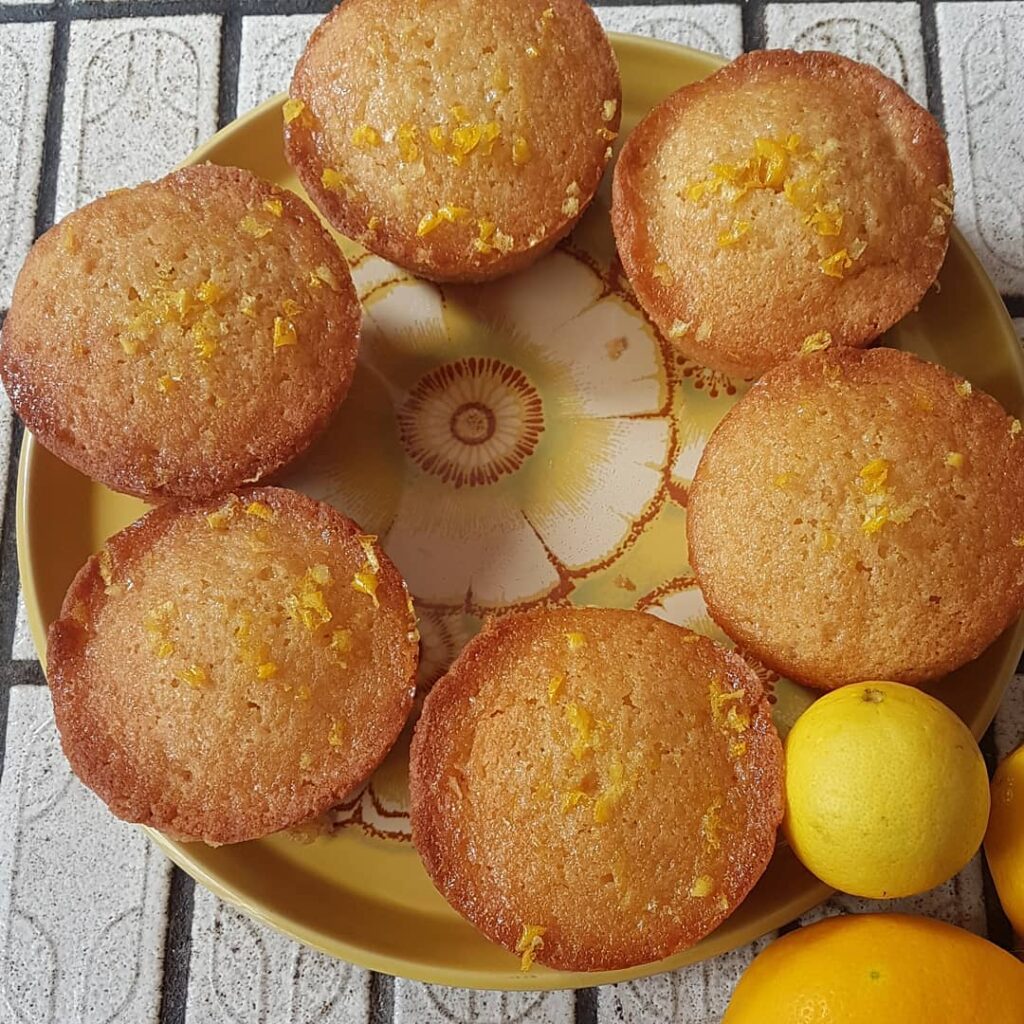
photo of 6 small round cakes on a yellow plate

Basic Muffin Recipe

  • 2 cups self-raising flour

  • 3/4 cup white sugar

  • 2 eggs

  • 1/2 cup oil vegetable oil (ie flavourless neutral oil)

  • 3/4 cup milk (or non-dairy alternative)


Mix all ingredients until just combined. Add whatever flavourings you fancy such as frozen berries, mashed banana, grated apple & spices etc. and stir in.

Fill muffin cups up to halfway then bake at 200 degrees Celsius for 15-20 minutes or until cooked through.

The Melbourne I Like to Eat

The Melbourne I Like to Eat

There are plenty of cities with good food and, while I might be a little biased, I think Melbourne has something a little more interesting: a food culture that feels like the city itself. Diverse, curious, somewhat scruffy around the edges and dotted with just enough genuinely passionate producers.

What a School Canteen Taught Me About Building a Village

What a School Canteen Taught Me About Building a Village

People often say they want a village, but they’re not always ready to become an active participant in one. Being part of a community requires actually walking the walk.

Spiced Lamb and Eggplant

Spiced Lamb and Eggplant

I’ve been sharing meals with family and friends more often recently, and every so often someone asks what’s in a dish – or, brazenly, whether they can get the recipe.

FREE RANGING FOODIE

© Copyright Amanda Kennedy 2025